




Digitalization is radically transforming the way businesses and states do business. One of the most important steps of this transformation is the transfer of accounting and finance processes to digital media. Two important concepts that stand out in the digital transformation process are e-invoice and e-ledger applications.
What is E-Invoice?
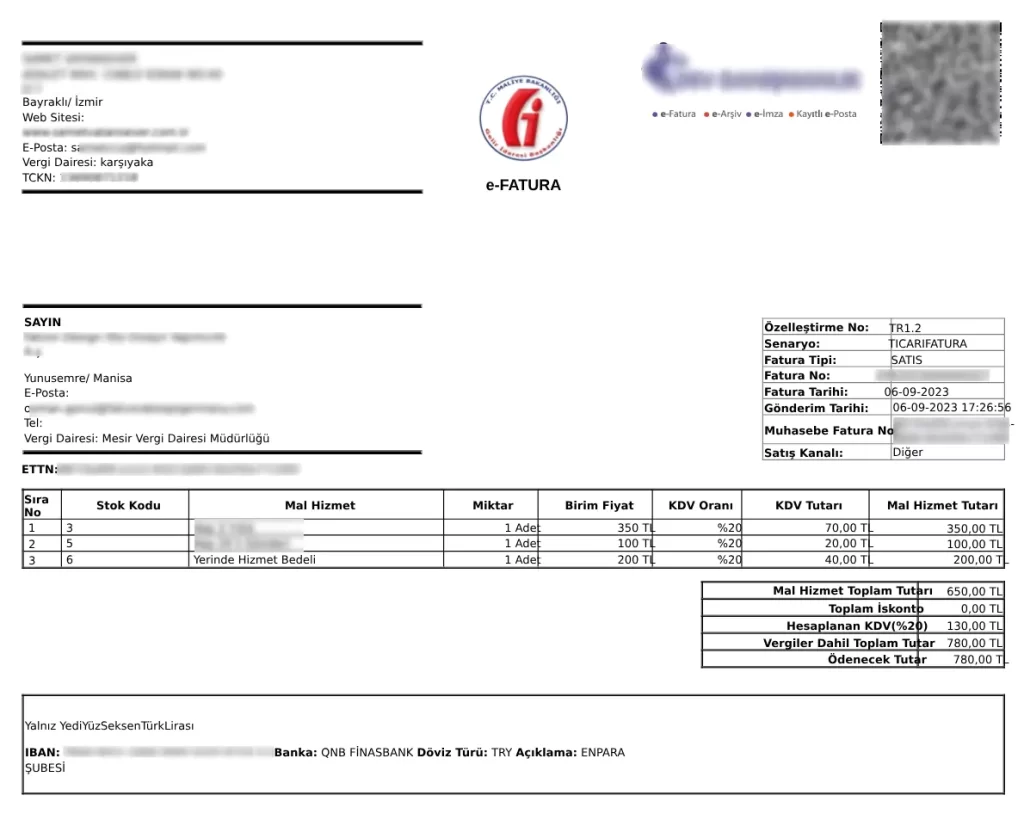
e-Invoice Framework
An e-Invoice is an official electronic document possessing the exact same legal validity as a traditional paper invoice, but created, transmitted, and archived entirely within a digital infrastructure. Formatted in compliance with standards set by the Turkish Revenue Administration (Gelir İdaresi Başkanlığı – GİB), e-Invoices are securely exchanged between commercial parties, offering distinct operational benefits over legacy paper invoicing:
Environmental Sustainability: Significantly reduces paper consumption, supporting corporate sustainability objectives.
Direct Cost & Time Savings: Eliminates paper printing, physical courier fees, and manual archiving expenses.
Accelerated Processing: Streamlines invoice generation, dispatch, reconciliation, and approval cycles.
What is E-Ledger?
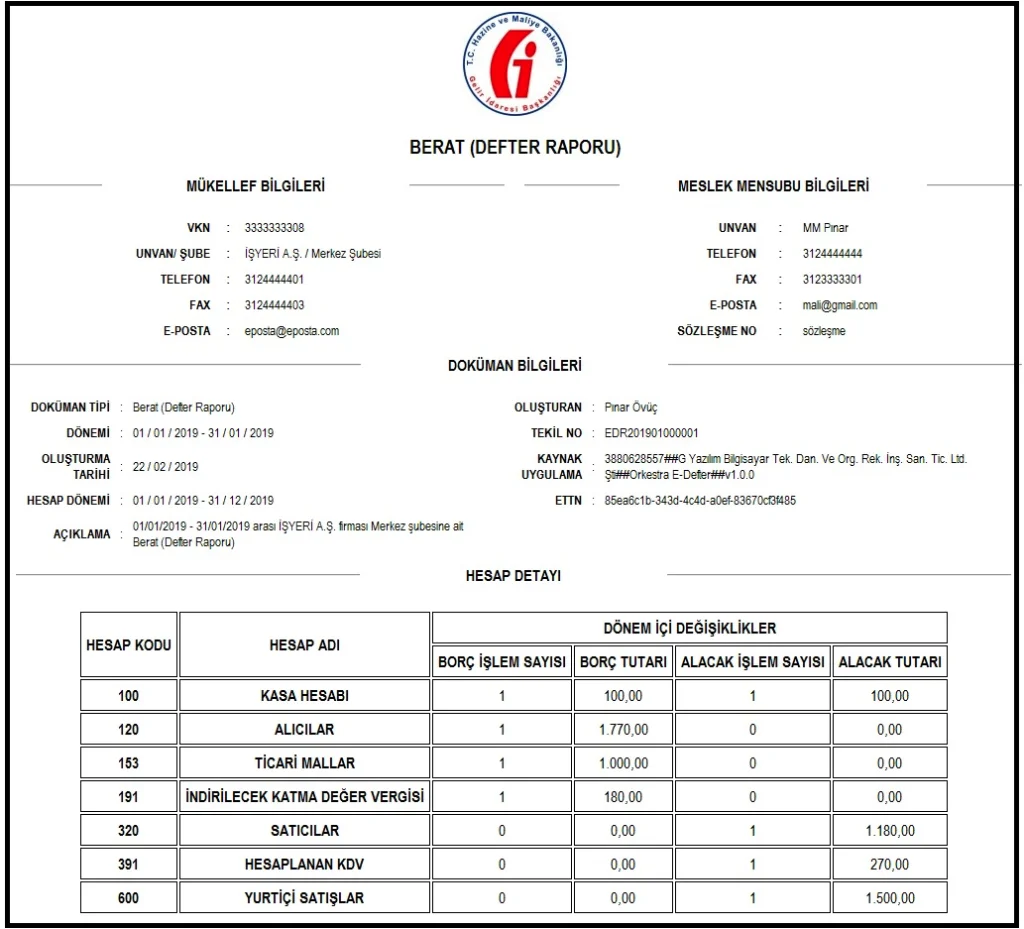
e-Ledger Framework
e-Ledger represents the digital management of statutory accounting books—specifically the General Ledger (Defter-i Kebir) and Journal (Yevmiye Defteri)—required by tax regulations. Prepared and maintained strictly within GİB guidelines, e-Ledgers are electronically signed and stored securely. This eliminates the physical storage burdens, high archiving costs, and audit complexities associated with physical paper ledgers.
- Streamlined Digital Archiving: Enables secure electronic storage, eliminating physical warehouse space requirements and reducing long-term storage costs.
- Instant Accessibility & Audit Readiness: Allows authorized personnel and tax auditors to retrieve financial records instantly from anywhere, speeding up compliance reviews.
- Operational Efficiency: Automates ledger generation, validation, and submission workflows with minimal risk of human error.
Key Milestones in Digital Transformation
e-Invoice and e-Ledger serve as critical entry points for corporate digital transformation. These systems accelerate financial digitalization while making tax administration and audit trails far more transparent and manageable.
In Türkiye, compliance with e-Invoice and e-Ledger standards is legally mandatory for businesses exceeding specific annual revenue thresholds. However, organizations of all sizes voluntarily adopt these solutions to capture early efficiency gains, reduce administrative overhead, and gain a distinct competitive edge.
Strengthening your financial infrastructure with e-Invoice and e-Ledger systems ensures your organization remains compliant, agile, and prepared for future technological advancements.
Preparation Steps Before the Transition
Moving to e-Invoice and e-Ledger calls for good preparation before any technical set-up. The steps below help the process run in an orderly way.
- Review your obligations and a suitable timetable with your financial adviser, and rely on GİB announcements for the current conditions.
- Start early on obtaining the financial seal (mali mühür) or electronic signature required for the application.
- Choose the method of use: the GİB portal, a private integrator or direct integration through your own system.
- Check the company names, tax numbers and addresses in your customer and supplier records and fill in any gaps.
- Define the roles and permissions of the people who issue and approve invoices.
- Before going live, create sample documents using the test facilities offered by the solution you have chosen.
- Give your team short training on how cancellations, returns and objections are handled in the new process.
When the accounting, sales and IT teams work together during preparation, fewer inconsistencies appear later. Invite a representative from each to the preparation meetings.
Decision Criteria for Choosing the Method of Use
Which method suits you depends on your invoice volume and your existing software infrastructure. Consider the following points when choosing:
- Invoice volume: For businesses that issue few invoices, manual entry through the portal may be enough; the need for automation grows with volume.
- ERP and accounting integration: Entering an invoice once and sending it automatically removes double data entry.
- Storage and backup: Clarify where and how documents will be stored and how backups will be taken.
- Support: Find out in advance whom to contact, and through which channel, when a problem occurs.
- Growth plans: Consider whether the chosen method will still be adequate if you open a new branch or your transaction volume rises.
- Total cost: Take integration and support costs into account alongside the usage fee.
Our ERP consulting service can help you set up e-document processes that fit your existing ERP system.
Common Mistakes in E-Document Processes
There are points to watch after the transition is complete as well. Businesses frequently run into the following mistakes:
- Invoices being rejected because customer records are incomplete or incorrect
- Incoming invoices not being checked regularly, so that response periods are missed
- Documents being stored in only one place, with no backup
- The whole process depending on the knowledge of a single person
- Month-end and period-end tasks being left until the last day
- Changes in legislation and technical guides not being followed
To reduce these risks, document the process, name a deputy and carry out periodic checks. Announce every process change to staff in writing. On matters concerning your legal obligations, seek the opinion of your financial adviser.
Frequently Asked Questions
What is the difference between e-Invoice and e-Archive Invoice?
In general, an e-Invoice is issued between taxpayers registered in the system and reaches the recipient through the system. An e-Archive Invoice is used for invoices issued to recipients who are not registered, such as end consumers. We recommend clarifying with your financial adviser which document you need to issue in which situation.
Do you need to change your accounting software for e-Invoice?
Not always. Most widely used accounting and ERP packages support e-document processes or can work together with integrator solutions. First check the version of your current software and the e-document options it offers. If the software does not meet this need, you can consider changing it at that point.
How should electronic documents be stored and backed up?
Electronic documents need to be stored in line with your legal retention obligations and with their integrity intact. Keep backups in a separate environment, restrict access rights and test restoring from a backup at regular intervals. Consult your financial adviser on the current rules for retention periods and methods.
Does the Turkish e-Invoice system also cover companies abroad?
The e-Invoice and e-Ledger applications are operated for taxpayers in Türkiye under rules set by the Turkish Revenue Administration. Other countries have different electronic invoicing rules. If you operate in more than one country, you need to review the obligations that apply in each country separately with a local specialist.