Patch Management for SMEs: How to Plan Security Updates
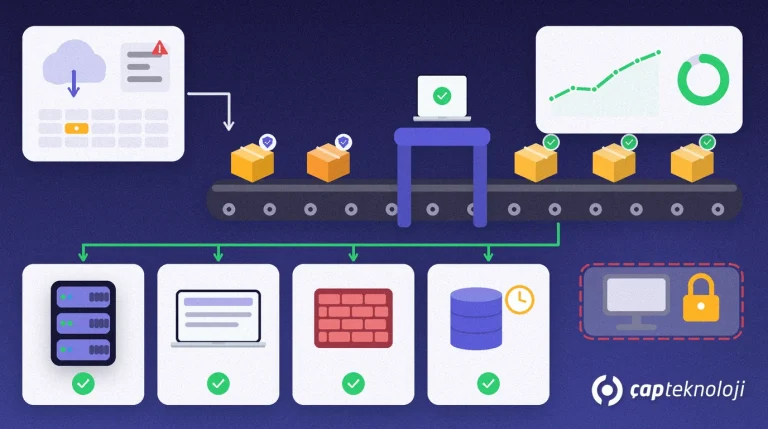
A practical SME guide to tracking, prioritising, testing and verifying security updates for servers, computers, network devices and applications.


A practical SME guide to tracking, prioritising, testing and verifying security updates for servers, computers, network devices and applications.
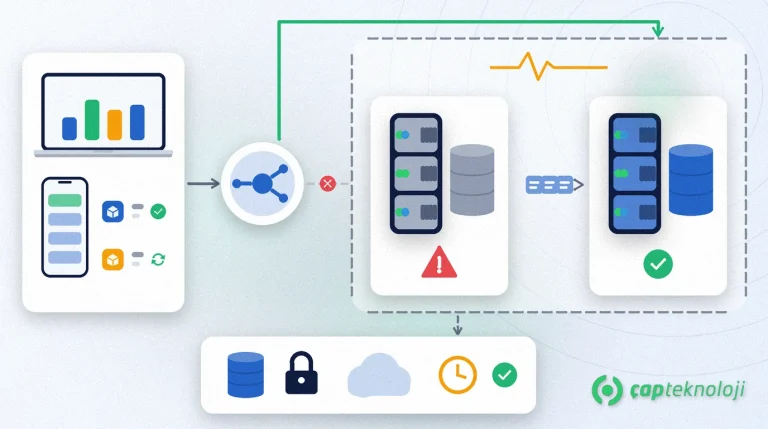
How long does your ERP stop when the server fails? Availability groups, failover clusters and log shipping compared, edition differences and a checklist.
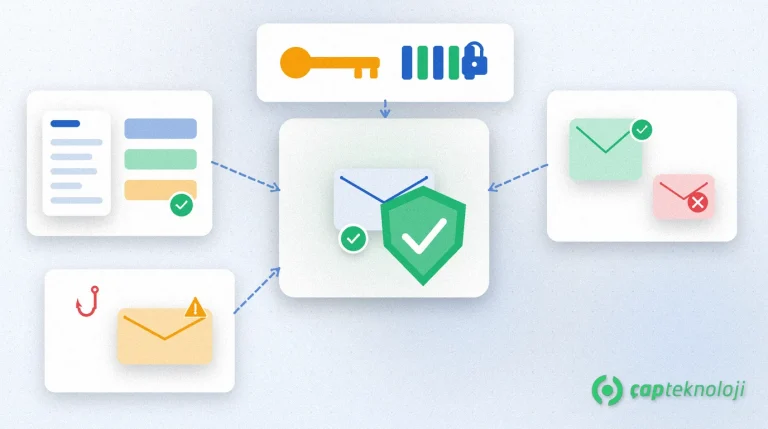
Protect your domain from forged invoices and brand spoofing: roll out SPF, DKIM and DMARC with inventory, DNS and a staged policy.
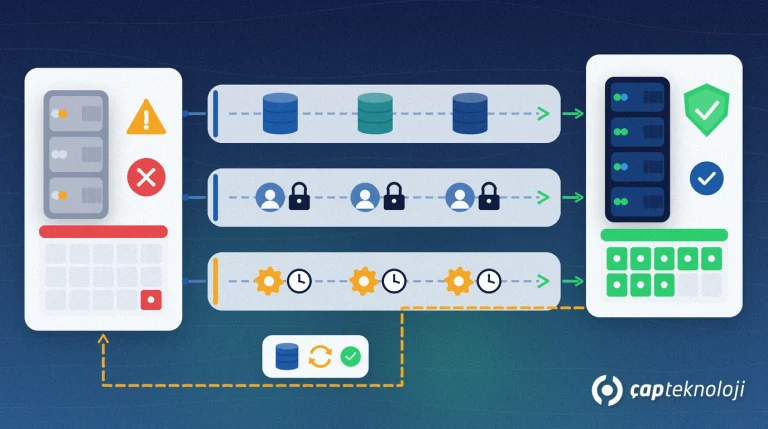
Move off an out-of-support SQL Server safely: support dates, choosing the upgrade method, test restore, cutover day and compatibility level, step by step.
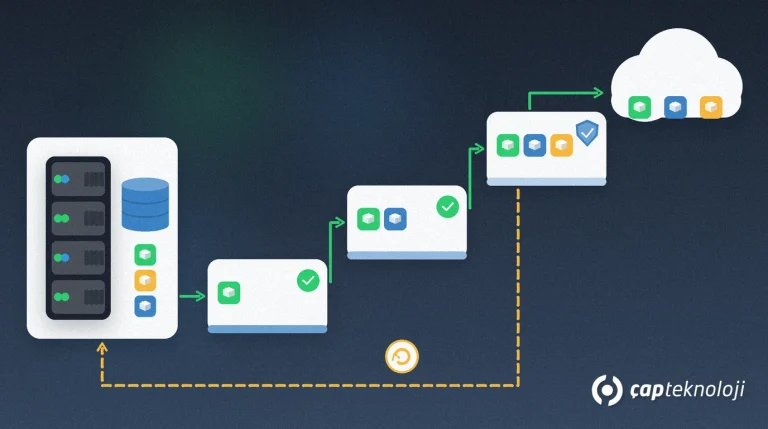
Plan your cloud migration as a managed project, not a server move: inventory, dependencies, migration waves, downtime windows and a tested rollback plan.
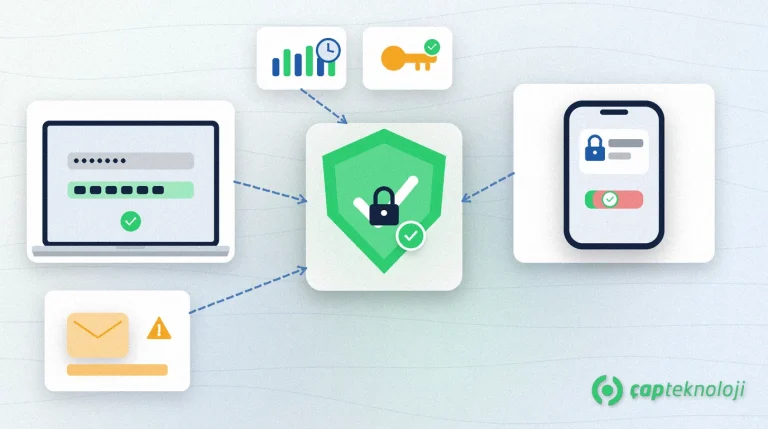
Multi-factor authentication requires at least two proofs at sign-in. How SMEs roll out MFA, choose factors and avoid common gaps.
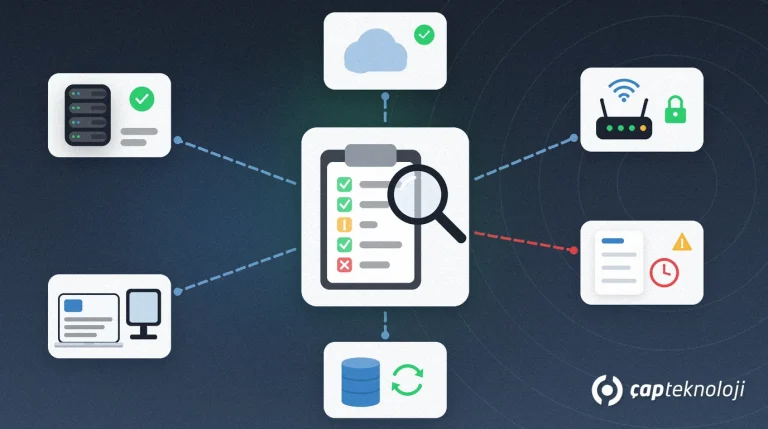
An IT infrastructure audit lists every server, device, network component, cloud service, backup and licence and assesses its risk. Scope, five practical steps, the results to expect and a checklist to get started.
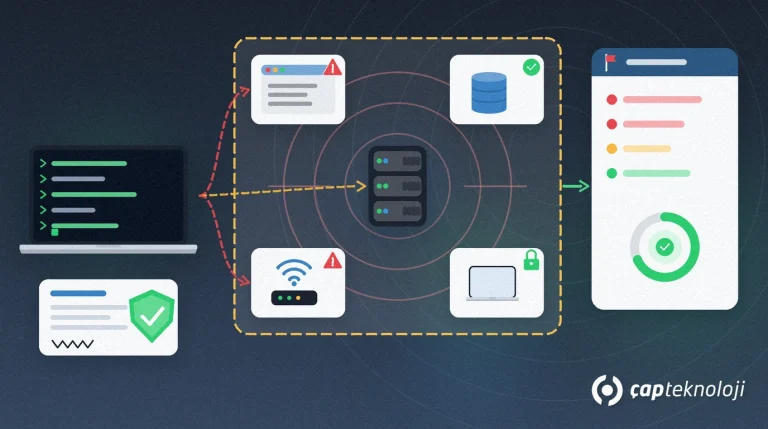
Penetration testing is a security test in which an authorised specialist tries to break into your systems in a controlled way and reports each weakness by severity. Scope, test types, a pre-test checklist and what to do with the report.
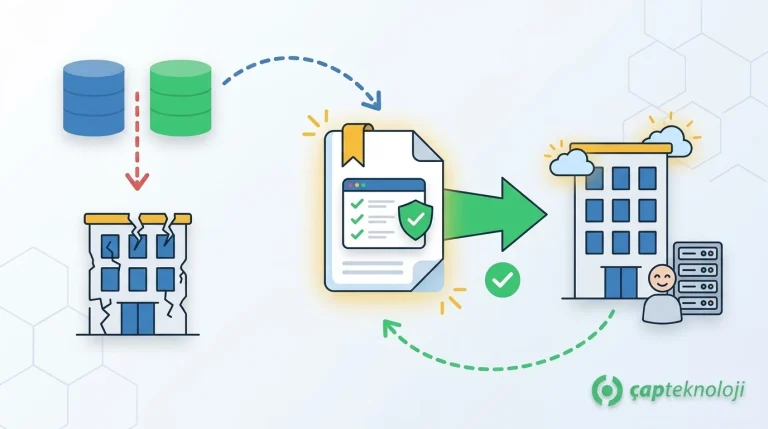
If a server fails, ransomware strikes or a data centre goes down, how many hours will it take to get your business running again? This article explains the steps of a disaster recovery plan, RTO and RPO, and a checklist.
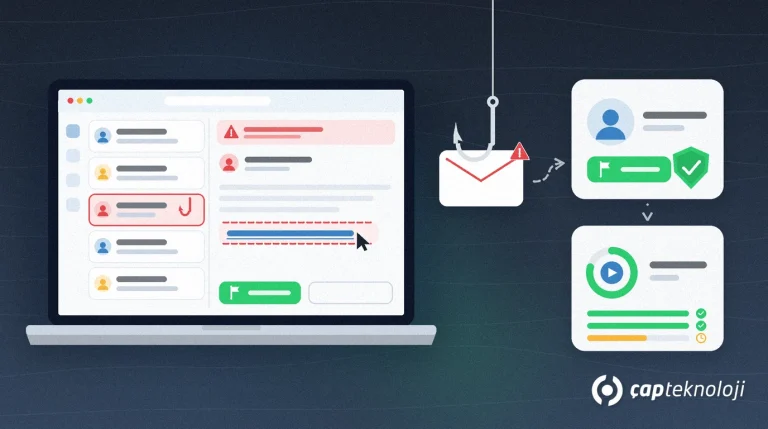
Phishing remains the primary entry point for cyberattacks. Discover how to build a continuous phishing simulation program for your SME that educates employees without disrupting business operations.