


Multi-Factor Authentication (MFA): How SMEs Should Roll It Out
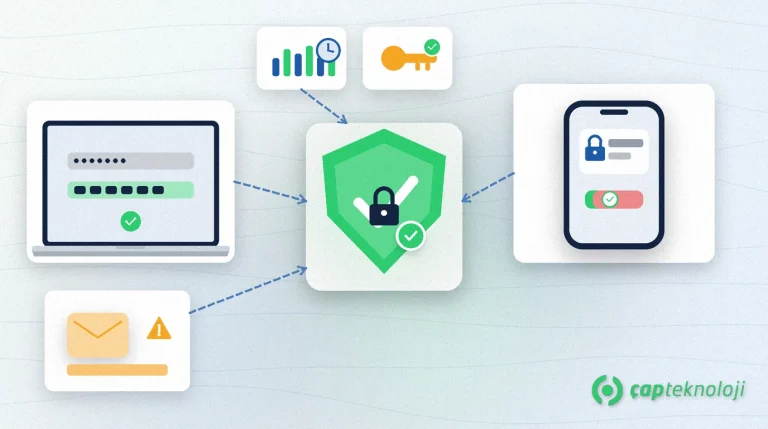
Multi-factor authentication requires at least two proofs at sign-in. How SMEs roll out MFA, choose factors and avoid common gaps.

Multi-factor authentication requires at least two proofs at sign-in. How SMEs roll out MFA, choose factors and avoid common gaps.
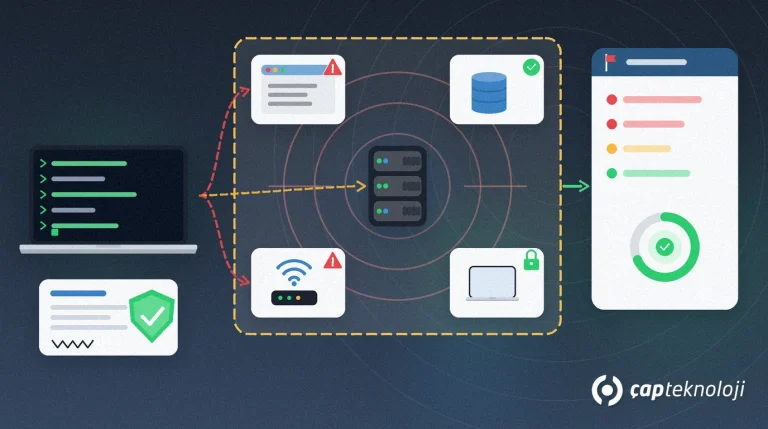
Penetration testing is a security test in which an authorised specialist tries to break into your systems in a controlled way and reports each weakness by severity. Scope, test types, a pre-test checklist and what to do with the report.
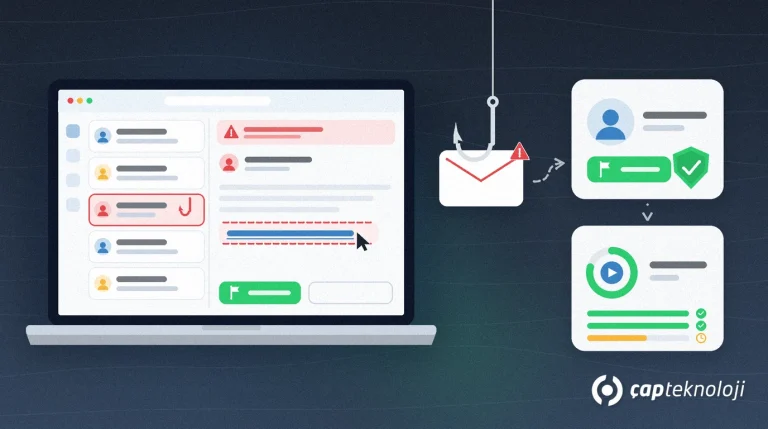
Phishing remains the primary entry point for cyberattacks. Discover how to build a continuous phishing simulation program for your SME that educates employees without disrupting business operations.
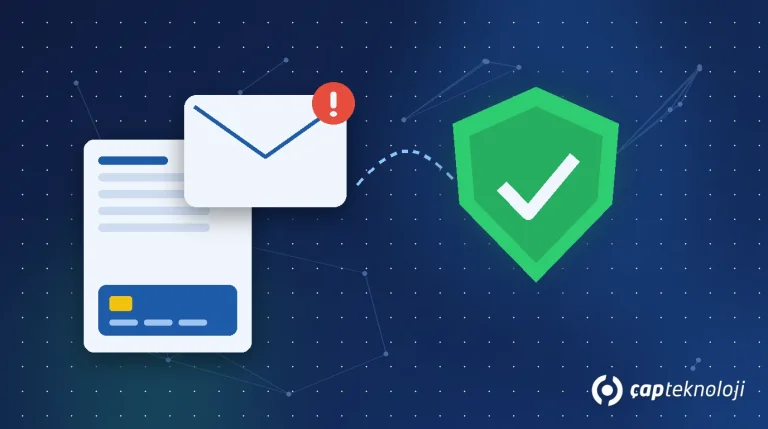
Business email compromise (BEC) is a scam in which attackers impersonate an executive, employee or supplier by email to trigger a fraudulent payment. MFA, SPF/DKIM/DMARC, call-back verification and dual approval are the core defences.
Cyberattacks target SMBs too. Learn the 7 essential steps that cut risk the most: isolated backups, MFA, patching, limited privileges, staff training and an incident response plan.
Check whether your server and network infrastructure is ready for cyberattacks with this practical 8-point checklist. An actionable guide for SMEs.